
Uganda National Tours
Perched within the western arm of Africa’s Great Rift Valley, Queen Elizabeth National Park is Uganda’s most visited national park – boasting a mosaic of golden savannahs, misty forests, shimmering crater lakes, and sprawling wetlands. Covering 1,978 square kilometers, the park stands as Uganda’s second largest and one of the country’s oldest, established in 1952 and later renamed in honor of Queen Elizabeth II after her royal visit in 1954.
Located in western Uganda, Queen Elizabeth National Park stretches from the snow-capped Rwenzori Mountains in the northwest to the remote Ishasha plains in the south, bordered by Lake George and Lake Edward, and bound together by the lifeblood of the park — the Kazinga Channel, which teems with hippos and crocodiles basking under the African sun. The park shelters 95 mammal species and over 6120 recorded bird species: the park boasts the largest population of recorded bird species in Uganda, making it one of the richest ecosystems in East Africa (African Mecca Safaris).
Attractions Sectors in Queen Elizabeth National Park
• Wildlife in Queen Elizabeth National Park
Wildlife thrives in every corner of Queen Elizabeth National Park. The park is home to 95 mammal species, including large herds of elephants, African buffalo, Uganda kobs, waterbucks, reedbuck, duikers, and giant forest hogs, as well as predators such as lions, leopards, and spotted hyenas. A large population of Nile crocodiles and hippos also dominates the park’s waterways, while forest zones harbor chimpanzees, baboons, and colobus monkeys.
The park’s varied ecosystems range from open savannah to forest and wetland, allowing a diversity of species that is unmatched elsewhere in Uganda. Combined with the adjacent Kigezi Wildlife Reserve and Kalinzu Forest Reserve, the region forms a continuous ecological corridor crucial for large mammals and primates alike.
• Birdlife in Queen Elizabeth National Park
With over 612 recorded species, Queen Elizabeth National Park is a paradise for birdwatchers. The park’s birdlife ranges from savannah and forest to swamp and lake species, as well as migratory species. The Kazinga Channel, Maramagambo Forest, Katwe area, and Mweya Peninsula are key hotspots for spotting species such as the rare Shoebill stork, African skimmer, Papyrus gonolek, Black bee-eater, and African fish eagle, among many other species.
During the migratory season, the park becomes a bustling sanctuary for flocks from Europe and northern Africa, such as the European Bee-eater, Montagu’s Harrier, European Honey Buzzard, Squire-tailed Nightjar, and Pallid Harrier, creating one of the most rewarding birding experiences in East Africa.
• Tree-Climbing Lions in Ishasha Sector
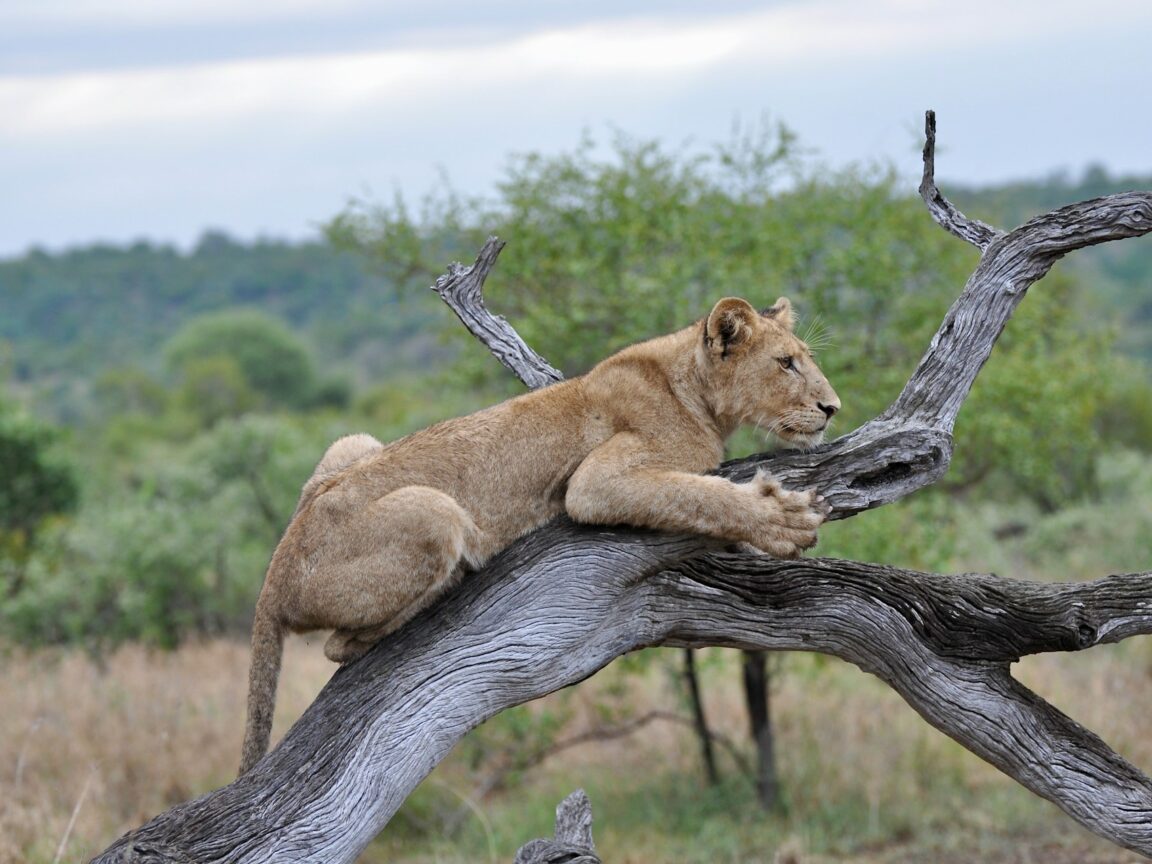
Located in the southern reaches of the park, the Ishasha sector is one of three places in Africa that host the famous tree-climbing lions (fond of climbing big acacia and fig trees), besides Lake Manyara in Tanzania and Kruger in South Africa. These lions are especially visible in the dry season (from June to mid-September and December to February), and visitors can spot them on game drives stretching themselves on large tree limbs, lounging like cats on a couch, watching the plains below.
• Kazinga Channel
This 40-kilometer natural waterway connects Lake Edward and Lake George and forms one of the richest game viewing experiences in East Africa. Boats along the channel drift alongside its banks, crowded by elephants and buffaloes quenching their thirst, hippos and Nile crocodiles sunning themselves, and hundreds of birds soaring the skies: from kingfishers and pelicans to fish eagles.
• Kyambura Gorge – the Valley of Apes
Cut into wooded cliffs and drained by a forested river, Kyambura Gorge is a prime spot for chimpanzee tracking in Queen Elizabeth National Park. Lying north of the park, this 11-kilometer-long and 1-kilometer-wide gorge supports a range of habituated chimpanzee groups, at least four other primates, and dense forest flora. Visitors come here primarily for chimpanzee trekking, where they can observe the primates in their natural habitat, alongside other primates like red-tailed monkeys, black-and-white colobus monkeys, olive baboons, and blue monkeys. The gorge’s forested trails also provide excellent birdwatching opportunities, with species such as the great blue turaco, hornbills, and African green pigeons.
• Maramagambo Forest
Located at the northeastern edge of the park is Maramagambo Forest, a haven for primates, birds, and forest mammals, including baboons, black-and-white colobus monkeys, giant forest hogs, duikers, and various small carnivores. Visitors can explore the forest on guided nature walks, discovering features such as the Maramagambo bat caves, crater lakes, and forest streams. The forest is also a hotspot for birdwatching, with species like great blue turaco, black bee-eater, and African green pigeon frequently spotted.
Activities in Queen Elizabeth National Park
Game Drives
Game drives are the highlight of any safari in Queen Elizabeth National Park. They are best enjoyed in the Kasenyi Plains, Mweya Peninsula, and Ishasha sector, where wildlife sightings are frequent and breathtaking. The Kasenyi area, near Lake George, in particular, is the park’s prime game-viewing spot – home to large herds of Uganda kob, lions on the hunt, elephants, buffaloes, and hyenas. This area also offers experiential drives to track the park’s predators, including lions, leopards, and hyenas. The drives are conducted at 6:30 am, at 3:30 pm, or at 4:00 pm, offering the best chances to spot predators and capture golden-hour photography. For those interested in spotting the nocturnal species, the park offers guided night drives in Mweya, Kasenyi, and Ishasha, in a licensed 4×4 safari vehicle.
Boat Cruise on the Kazinga Channel
A boat safari along the Kazinga Channel is one of the most exciting experiences in Queen Elizabeth National Park. Launch trips depart from the Mweya Jetty at 8 am and 2 pm, lasting about 2 to 3 hours. Explore various pods of hippos, basking crocodiles, elephants drinking at the shore, and an astonishing array of birdlife, including the Goliath Heron, African Jacana, Hammerkop, and a range of fish eagles, to name a few.
Chimpanzee Trekking in Kyambura Gorge
For primate lovers, chimpanzee trekking in Kyambura Gorge – the “Valley of Apes” is a must-do while in Queen Elizabeth National Park. This lush, forested gorge cuts dramatically through the savannah and shelters a small but habituated population of chimpanzees. Guided treks led by Uganda Wildlife Authority rangers take about 2 to 3 hours, offering chances to see chimps in their natural habitat along with other primates such as black-and-white colobus monkeys and red-tailed monkeys.
Game drive in Ishasha
The Ishasha sector, located in the southern part of the park, is world-famous for its tree-climbing lions. These rare lions spend their afternoons perched on fig and acacia trees, escaping the heat while watching over the plains, which is also home to a range of Uganda kobs, elephants, and buffalo. Game drives through this area provide one of Africa’s most unique wildlife encounters, a sight that has made Ishasha a highlight of any Queen Elizabeth safari.
Bird Watching
With more than 600 bird species, Queen Elizabeth National Park is a birdwatcher’s paradise. The Kazinga Channel, Maramagambo Forest, Mweya Peninsula, and Katwe area are prime birding zones in the park. With the help of expert birding guides, you may spot a plethora of bird species, including rare species like the Shoebill stork and Goliath Heron, while gaining deeper insight into the park’s birdlife. The best time for birding in Queen Elizabeth National Park is during the wet seasons, from March to May and October to November, when migratory species join the resident population.
Nature Walks and Forest Hikes
Guided nature walks in Queen Elizabeth National Park are offered in Maramagambo Forest and around the Mweya Peninsula, offering a slower, more intimate way to explore the park. Led by expert guides and armed rangers, these walks take you through the subtle, tiny details of the ecosystem, including butterflies, medicinal plants, and forest birds, that are often missed during drives. Moreover, the Maramagambo bat caves and nearby crater lakes provide particularly fascinating stops, where guides share stories that blend ecology and the local communities.
Cultural Tours
A safari in Queen Elizabeth is not complete without connecting with its people. Cultural tours around the Katwe Salt Lake and Kikorongo Women’s Community showcase Uganda’s cultural heritage and lifestyle. Visitors can explore salt mining using ancient local methods, interact with the locals, and learn about their traditional practices through food preparation, traditional dance and drama, and explore how communities coexist with wildlife through sustainable tourism. These experiences add cultural depth to the wilderness adventure.
Best Time to Visit Queen Elizabeth National Park
Queen Elizabeth National Park is open year-round, but the dry seasons from June to September and December to February offer the best conditions for game drives, chimpanzee trekking, and boat safaris, as animals gather around water sources and roads are more accessible. However, for those who are interested in birdwatching, the wet seasons from March to May and October to November are when migratory birds are present. Moreover, the park is less crowded during this time, though some tracks may be slippery. Overall, June to September offers the most complete safari experience.
How to Get to Queen Elizabeth National Park
Queen Elizabeth National Park is about 400 kilometers west of Kampala, roughly a 6 to 7-hour drive through rolling hills, crater lakes, and rural villages. Travelers can take either the Kampala–Mbarara–Bushenyi route or the Kampala-Mubende-Fort Portal route, both offering scenic landscapes.
On the other hand, the park can also be accessed by air with available scheduled and charter flights from Entebbe or Kajjansi landing at Mweya or Kasese Airstrip, placing visitors near key park sectors like Mweya, Kasenyi, Ishasha, and Kyambura Gorge.
Uganda Safari Packages 2026/2027
Uganda safaris are among the most rewarding travel experiences in Africa, offering a perfect blend of adventure, wildlife, culture, and breathtaking scenery. Known as the “Pearl of Africa,” Uganda provides diverse safari opportunities that cater to every type of traveller — from adventurous explorers to relaxed holidaymakers, young and old, solo visitors, couples, and group tourists. Whether you are interested in unforgettable gorilla trekking, classic wildlife game drives, scenic boat cruises, birdwatching, or immersive cultural encounters, Uganda has something special for everyone. Explore some of our top Uganda safari packages below and discover journeys carefully designed to showcase the country’s most remarkable destinations and experiences
Whitan Safaris, your gateway to unforgettable wildlife and nature experiences across Uganda, Kenya, and Rwanda. We are a safari travel company dedicated to designing journeys that connect travellers with Africa’s wild landscapes, iconic wildlife, and vibrant cultures.
Safaris and Tours
Contact Us
Copyright © 2026 Whitan Safaris - Brand by Robylinks Solutions