
Kenya National Tours
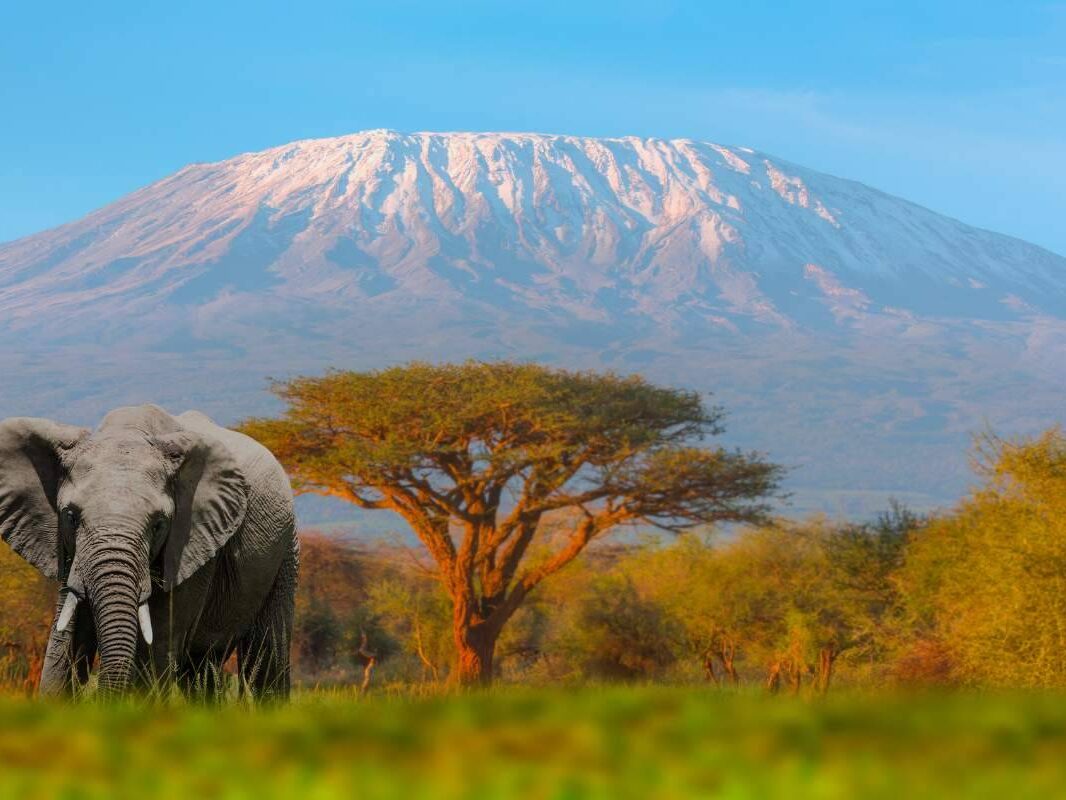
Discover Mount Kenya National Park, Kenya’s iconic hiking safari destination. Managed by the Kenya Wildlife Service (KWS), Mount Kenya National Park is a high-altitude sanctuary where ancient glaciers, volcanic spires, and varied forests form one of East Africa’s most dramatic landscapes. The park is centered around Mount Kenya, the country’s highest peak and Africa’s second-tallest, and a remarkable range of habitats: from montane forests alive with wildlife to stark alpine deserts shaped by wind and ice. As a UNESCO World Heritage Site, it stands as both a natural masterpiece and a vital ecological stronghold, drawing hikers, mountain climbers, and nature enthusiasts from all over the world.
About Mount Kenya National Park (Background, Location & Geography)
Mount Kenya National Park protects the country’s most popular hiking destination – an extinct stratovolcano dating back to over three million years ago. Established in 1949 to safeguard Mount Kenya and the unique surrounding ecosystem, the park covers approximately 715 square kilometers, much of which rises above 3,000 metres, dominated by the mountain’s glaciers, tarns, and alpine habitats. Encircling it is a 705 square kilometer forest reserve, and together these two units form a 1,420 square kilometer, UNESCO World Heritage Site and Biosphere Reserve.
Mount Kenya is Africa’s second-highest mountain, with its three principal summits: Batian (5,199 m), Nelion (5,188 m), and Point Lenana (4,985 m). The stratovolcano still holds the last traces of equatorial ice, including about a dozen remnant glaciers and a scatter of glacial tarns carved into the upper valleys.
Located almost exactly on the Equator, Mount Kenya rises above Kenya’s central highlands and stretches across the Nyeri, Kirinyaga, Embu, and Meru counties, about 188 kilometers north of Nairobi. Its steep elevation gradient creates a remarkable sequence of ecological zones: dense montane forest and bamboo on the lower slopes, vast afro-alpine moorlands in the mid-altitudes, and a stark alpine desert close to the summits. This vertical layering supports exceptional biodiversity and acts as a natural reservoir, feeding major rivers such as the Tana, Sagana, and Ewaso Ng’iro.
Attractions in Mount Kenya National Park
Mount Kenya
Mount Kenya is the crown jewel of the park, standing as Africa’s second-highest peak and a UNESCO World Heritage Site. Its three summits: Batian (5,199 m), Nelion (5,188 m), and Point Lenana (4,985 m), offer a striking blend of dramatic alpine terrain, glacial formations, and unique vegetation zones. The lower slopes are cloaked in montane forests and bamboo, home to elephants, buffalo, and bushbuck, while mid-altitudes open into moorlands dotted with giant lobelias and senecios.
Higher up, rugged alpine deserts and glaciers, including the Lewis Glacier, create rugged landscapes that attract trekkers, climbers, and photographers. Trails like Sirimon, Chogoria, and Naro Moru wind through these diverse habitats, offering breathtaking scenery and unique wildlife encounters. Beyond its natural wonders, Mount Kenya holds deep cultural significance for the Kikuyu, Embu, and Meru communities, making it both a spiritual and ecological highlight of the region.
Wildlife
Mount Kenya shelters over 80 mammal species across its different altitude zones. The lower slopes are home to large mammals such as African elephants, buffalo, bushbuck, and hyenas, while elusive species like leopards, servals, and genets roam the forest and higher elevations. The park is also one of the few habitats of the critically endangered mountain bongo, a rare antelope found in Kenya’s high-altitude forests. Tourists can also encounter small mammals, including tree hyrax, duikers, and monkeys such as the black-and-white colobus, roaming in the forested zones. The park’s vertical range creates distinct ecological zones, each supporting unique assemblies of wildlife, making it a prime destination for both wildlife enthusiasts and conservationists.
Birdlife
For the birdwatchers, the park is classified as an Important Bird Area, with more than 160 recorded species, scattered across its diverse habitats. The montane forests and bamboo zones host species such as Hartlaub’s Turaco, silvery-cheeked hornbills, and the elusive Ayres’ Hawk Eagle. As you ascend into the alpine moorlands, high-altitude specialists like Jackson’s Francolin, the scarlettufted malachite sunbird, and alpine chats become prominent, while raptors, including the Augur Buzzard, patrol the skies. Birdlife in Mount Kenya National Park varies according to habitat and altitude, providing opportunities to observe both forest-dwelling and highland species in a single visit.
Authentic Cultures
Mount Kenya National Park is more than an iconic physical landmark; the destination holds deep cultural and spiritual significance for several local communities that reside within its surroundings, especially the Kikuyu, Embu, Meru, and Maasai. For the Kikuyu, the mountain, known as Kirinyaga, is believed to be the throne of Ngai, the supreme divinity, and their traditional homesteads are oriented to face its peaks. These communities often hold rituals and prayers in sacred groves and under mugumo (fig) trees, serving as altars for ceremonies related to rain, fertility, and community well-being. Such cultural practices are deeply intertwined with the mountain’s ecology, reflecting a spiritual respect for the environment.
Visitors can visit these communities and learn about their traditions, participate in local crafts, and agricultural lifestyles, gaining insight into centuries-old customs that have shaped the identity of these communities.
Caves
Mount Kenya is home to two historical caves that stand out for their distinct significance: Shipton’s Cave and the Mau Mau Cave.
Shipton’s Cave: Named after mountaineer Eric Shipton, this cave is located near Shipton’s Camp on the Sirimon route at about 4,367 meters and serves as a popular stop for trekkers. It provides shelter, a dramatic vantage point of the surrounding peaks, and a glimpse into the mountain’s glacial landscapes.
Meanwhile, the Mau Mau Cave carries deep historical significance. During Kenya’s struggle for independence in the 1950s, Mau Mau fighters used it as a hideout. Today, it stands as a site of remembrance and offers visitors a tangible connection to the country’s liberation history.
Activities to do in Mount Kenya National Park
• Mountain Hiking
Mount Kenya National Park is renowned for its trekking experiences, with trails like Sirimon, Chogoria, and Naro Moru offering varying levels of challenge.
Naro Moru Route: This is the most direct way to Point Lenana (4,985 m). The round trip is about 39 km, and is a typical 3-to 4-day steep hike, through the “Vertical Bog,” which is a soggy tussockgrass section. This route tests both stamina and altitude resilience.
Sirimon Route: This route features a gentler climb, ideal for acclimatization. Starting from the Sirimon Gate (2,650 m), the total round trip is around 48 km, and the trek normally lasts 4 to 5 days, taking hikers through forest and opening into the Mackinder Valley with its lobelias and senecios.
Chogoria Route: Known for its beauty, this route is the longest (around 64 km round trip) and takes about 4 to 5 days. The route takes trekkers past waterfalls, bamboo forests, and alpine lakes like Lake Ellis and Lake Michaelson before summiting.
Another Popular Option (Sirimon – Chogoria): This route is a very popular itinerary where hikers ascend via Sirimon, which is good for acclimatization, then descend via Chogoria for spectacular views. This usually takes 5 days.
These routes are designed to balance the thrill of summit attempts with safe acclimatization, which helps maximize hikers’ chances of success without compromising safety. The best time for climbing Mount Kenya is during the dry seasons from mid-January to February and June to September, when trails are dry and accessible.
Game Viewing in Mount Kenya National Park
• On Foot (Guided Nature Walks and Hikes)
Most wildlife encounters in Mount Kenya happen on foot, as the steep terrain and dense forests limit vehicle access. The walks are led by experienced park guides who lead you along designated forest trails and bamboo zones to encounter animals such as elephants, buffalo, bushbuck, duikers, tree hyrax, and colobus monkeys. Lasting between 2 to 6 hours, the walks also allow you to see smaller details of wildlife like footprints, tracks, dung, and feeding areas that are often missed in vehicles. Nature walks in Mount Kenya National Park are ideal for photographers and nature enthusiasts seeking intimate encounters with the mountain’s fauna.
• Safari Game Drives
Safari game drives in Mount Kenya National Park are limited to the lower forested slopes near park entry points such as Naro Moru, Sirimon, and Chogoria. Conducted in 4×4 vehicles, with open roofs for game viewing, the drives take you through the park’s forest tracks, offering chances to see larger mammals like elephants and buffalo. However, higher-altitude zones and alpine moorlands are inaccessible by vehicle, so trekking remains the main way to view wildlife in those areas.
Early mornings and late afternoons are the best times for game viewing in the park, when wildlife is more active, and temperatures are cool enough for exploring. Birds are also highly active during these hours, making it ideal for combined birdwatching and wildlife spotting.
Cave Exploration
For those drawn to history and adventure, cave exploration in Mount Kenya National Park offers unique insights. The Shipton’s Cave, near Shipton’s Camp, provides a dramatic vantage point on the mountain and a breathtaking glimpse of its glacial features, while the Mau Mau Cave stands as a historical site where freedom fighters once hid during Kenya’s struggle for independence.
Cultural Tours
Mount Kenya National Park allows visitors to connect with the authentic cultures of the Kikuyu, Embu, Meru, and Maasai communities. During these tours, visitors can experience traditional music and dance, storytelling, local crafts, and agricultural practices. Local guides often share the history and myths surrounding Mount Kenya, explaining how communities view the mountain as a source of life, rainfall, and spiritual protection. The tours are typically half-day to full-day experiences, often combined with trekking or village visits, to give travelers a deeper understanding of the connection between the mountain and its people.
Best Time to Visit Mount Kenya National Park
Mount Kenya National Park can be explored any time of the year, but the dry months of June to October and January to February provide the most favorable conditions for trekking, wildlife viewing, and cultural tours. During these months, trails are firmer, rivers and glacial streams are easier to cross, and summit attempts to Point Lenana become safer and more enjoyable. Meanwhile, birdwatchers will also find these months ideal, as many highland species are more visible and active.
However, the rainy seasons, from March to May and November to December, transform the lower slopes of the park into a spectacular, green landscape with rich waterfalls and blooming alpine flora. While trails may become slippery and access to higher routes limited, the wet season rewards visitors with fewer crowds, dramatic photography opportunities, and an experience of the mountain’s raw natural beauty.
All in all, the dry season from June to October is particularly optimal to explore the park. It is the best window to fully experience Mount Kenya’s diverse ecosystems, cultural heritage, and the thrill of high-altitude trekking.
How to Get to Mount Kenya National Park
Getting to Mount Kenya National Park is quite accessible, whether you prefer to drive or fly.
• By Road
The park can be accessed via its three main gates: Naro Moru, Sirimon, and Chogoria, each offering a distinct journey that suits different types of visitors, including climbers, hikers, or nature lovers.
The Naro Moru Gate – approximately 188 km from Nairobi along the Nyeri-Nanyuki road and a 4-hour drive. This route is often used by trekkers heading toward Point Lenana.
Sirimon Gate – located near Nanyuki, this gate lies about 200 km from Nairobi via the Nanyuki–Meru Road and takes about 4.5 hours.
The Chogoria Gate is reached via the Embu–Meru Road and sits roughly 210 km north of Nairobi, which is about a 5-hour drive.
• By Air
For travellers who prefer to glide above the highlands rather than wind through them, Nanyuki Airstrip is the closest commercial airstrip to Mount Kenya National Park. Daily flights from Nairobi’s Wilson Airport take about 40 to 45 minutes. From the airstrip, it’s a 30 to 40-minute drive to the Sirimon or Naro Moru gates, depending on your chosen route. For transfers, you may arrange privately with your tour operator, use a taxi, or arrange pick-up with your lodge, making the transition from sky to trail satisfyingly seamless.
Kenya Safari Packages 2026/2027
Planning a Kenya safari in 2026 or 2027 offers travellers the chance to explore some of Africa’s most iconic wildlife destinations, from the world-famous Masai Mara to the scenic Amboseli plains and the beautiful Great Rift Valley lakes. Kenya safari packages range from short 3-day wildlife trips to extended luxury journeys combining multiple national parks and even relaxing beach holidays along the India
Whitan Safaris, your gateway to unforgettable wildlife and nature experiences across Uganda, Kenya, and Rwanda. We are a safari travel company dedicated to designing journeys that connect travellers with Africa’s wild landscapes, iconic wildlife, and vibrant cultures.
Safaris and Tours
Contact Us
Copyright © 2026 Whitan Safaris - Brand by Robylinks Solutions