
Uganda National Tours
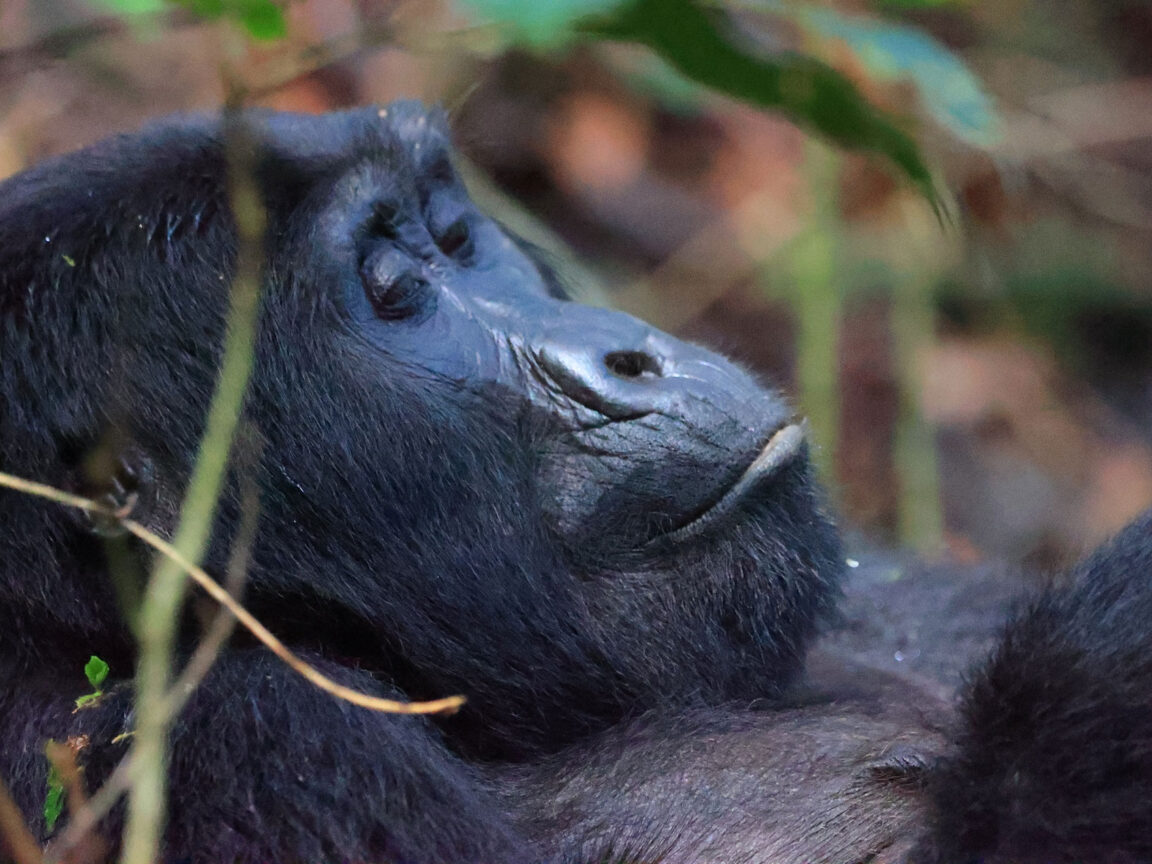
Situated in the far southwestern corner of Uganda, Mgahinga Gorilla National Park is the country’s smallest national park, spanning just 33.9 square kilometers; nonetheless, the park is teeming with a treasure trove of wildlife, culture, and volcanic landscapes. Situated in Kisoro at the Uganda-Rwanda-Congo border, Mgahinga forms part of the Virunga Conservation Area, a transboundary ecosystem renowned for its spectacular volcanoes and the critically endangered mountain gorillas. The park was officially gazetted in 1991, although it had been a colonial game sanctuary since the 1930s. Its creation aimed to conserve the critically endangered mountain gorillas, their fragile montane habitats, and manage the Virunga volcanic ecosystem sustainably.
Though small in size, Mgahinga’s landscapes are strikingly varied; from rolling montane forests to dense bamboo thickets, afro-alpine moorlands, and volcanic peaks rising above the clouds. Sitting at altitudes ranging from 2,227 m to 4,127 m, the park is endowed with diverse vegetation zones and climates. Mgahinga is dominated by three extinct volcanoes: Mount Muhabura, Mount Gahinga, and Mount Sabyinyo, which offer a scenery of dramatic peaks and crater lakes. This range of habitats supports a remarkable diversity of wildlife, including primates, wildlife, and birds.
Packing List for a Gorilla Trek in Mgahinga Gorilla National Park
For an easy, comfortable, and memorable gorilla trekking experience in Mgahinga, you need to pack right, and below is a guiding packing list for a gorilla safari.
Documents & essentials: These include a gorilla permit, park receipts, and a valid passport or ID. Keep all in waterproof sleeves or pouches.
The right clothing: You will wear long-sleeve, lightweight shirts and trousers (earth tones) to protect yourself from thorns, insects, and the scorching sun. You will also need a warm sweater for early mornings.
A pair of solid, waterproof hiking boots with good ankle support.
A pair of gaiters and gloves: For protection against stinging plants, sharp branches, and insects.
A rain jacket: A compact rain jacket or poncho for the unpredictable weather in the forest.
Headwear & sun protection: You will also need a wide-brim hat, sunglasses, and sunscreen to protect yourself from the sun.
Water & snacks: You will need a big water bottle (at least 1 – 2 liters of water) and energy bars for the trek.
A good camera & extra battery: Bring a good camera (disable flash), and extra batteries to capture your memories and experience with the mountain gorillas.
Daypack: You need a light daypack but with enough space to carry your camera, snacks, water, and other small items.
Insect repellent & first aid kit: Pack some insect repellent, a basic first aid kit, and any personal medications to keep you safe and in case of any illness.
A mask & hand sanitizer: To protect the gorillas from human respiratory diseases (this is a strict rule in gorilla trekking).
During trekking, you may use a trekking pole to help you navigate the trails. These can be purchased at the trailhead.
Also consider hiring a local porter. Available in all the sectors of Bwindi, local porters can carry your heavier pack over steep sections, which in turn also provides extra income to the local people, promoting both visitor safety and community development.
Wildlife and Attractions in Mgahinga Gorilla National Park
• Mountain Gorillas
Mgahinga’s main attraction is the mountain gorilla, one of the world’s most endangered species, making the park a must-visit on Uganda safaris. The park hosts only one habituated gorilla family – the Nyakagezi gorilla family, a small group known for occasionally ranging into Rwanda or the Democratic Republic of Congo.
This gorilla group thrives in the park’s montane and bamboo forests, feeding primarily on stems, leaves, shoots, and occasional fruits. The best part about trekking this gorilla family is that it offers intimate encounters, with a rare chance to observe the family’s individual dynamics up close. For instance, this is the only habituated gorilla family in Uganda with multiple silverbacks in harmony. Moreover, trekking the Nyakagezi family is quite easy since they tend to stay within a narrow home range when feeding or nesting.
For wildlife enthusiasts, this encounter is an unparalleled glimpse into the intelligence and social complexity of Great apes. The treks begin from the park’s headquarters at Ntebeko, and each gorilla trekking encounter here is strictly regulated to limit personal contact with the primates. As a result, the gorilla permits for Mgahinga are limited and should be booked well in advance.
Like Bwindi, a gorilla permit to Mgahinga costs $800 as per the UWA 2024-2025 tariffs and can be booked directly via the official Uganda Wildlife Authority (UWA) website, at the UWA Head Office in Kampala, or through a reputable tour operator.
• Golden Monkeys
Endemic to the volcanic forests of the Virunga Massif, golden monkeys are a popular species of primates that are only found in Mgahinga Forest in Uganda. Recognizable by their striking golden-orange fur and black faces, these monkeys live in agile, noisy troops that leap effortlessly through the bamboo canopy, which makes them captivating to spot. According to IUCN, Mgahinga Gorilla National Park is home to over 4000 individuals, with various troops scattered across the park’s bamboo forest. Golden monkey trekking in Mgahinga is ideal for travelers who want adventurous primate encounters without the intensity of gorilla trekking.
Treks generally last about 1 to 4 hours and follow guided forest trails, led by experienced guides who know where the monkeys are likely to appear. Visitors can spend an hour observing and gaining insight into their complex social structures: watch them grooming, feeding, and just jumping between tree canopies – an incredible sight to catch. Photography is rewarding here, with the vibrant golden coat contrasting beautifully against green bamboo forests.
• The Virunga Volcanoes (Muhabura, Gahinga, and Sabyinyo)
Mgahinga Gorilla National Park encompasses three of the eight Virunga volcanoes: Mount Muhabura, Mount Gahinga, and Mount Sabyinyo. Aside from providing scenic backdrops, they shape the park’s ecology and offer world-class hiking experiences.
Mount Muhabura, the tallest of the trio, rises at 4,127 meters and offers a slightly challenging climb compared to the two volcanoes in the park. Its slopes transition from montane forest to bamboo belts, and then afro-alpine moorland at the summit, which offers panoramic views across the Virunga massif, including Rwanda’s lush valleys.
On the other hand, Mount Sabyinyo, at 3,695 m, is the most rugged of the three peaks and the most challenging to hike, featuring a jagged summit that marks the meeting point of Uganda, Rwanda, and the DRC, making it culturally and geographically significant.
Lastly, Mount Gahinga, rising to 3,474 m, features a gentle ascent and a striking, swampy crater lake at the top, offering both ease and beauty. The volcano’s accessible trails make it suitable for moderate hikers seeking spectacular vistas without extreme difficulty.
• Birdlife
Mgahinga’s variety of habitats makes it a haven for birdwatchers, hosting over 180 species, including several Albertine Rift endemics. Some species found only in this region include the Rwenzori Turaco, Ruwenzori Batis, Kivu Ground Thrush, Dusky Crimsonwing, Red-Throated Alethe, Scarlet-tufted Malachite Sunbird, and Black-Collared Apalis. There are several trails through the park’s forest edges, bamboo zones, and higher moorlands that provide ideal vantage points for birdwatching.
• The Batwa
A group of ancient forest dwellers and the original inhabitants of Mgahinga’s forests, the Batwa are often referred to as pygmies due to their small stature. Having lived in the forest for thousands of years before it was designated as a park, their intimate love and knowledge of the forest, from medicinal plants to hunting techniques, is unrivaled. Although most were relocated when the park was established, they continue to share their culture through the popular Batwa Cultural Trail. Here, visitors are led on a forest walk inside the park by the local Batwa guides, gaining insight into their traditional survival skills, forest folklore, cave habitats, and music.
Activities in Mgahinga Gorilla National Park
Gorilla Trekking
Gorilla trekking is the heartbeat of any Uganda safari in Mgahinga National Park, giving you personal encounters with the park’s sole habituated gorilla family. Each trek begins as early as 7:30 am, at the park headquarters, with a briefing about trekking, gorilla safety, and gorilla etiquette. The treks last 1 to 6 hours, depending on gorilla movement, and once located, visitors have a one-hour face-to-face encounter with the gorillas.
Here, visitors get to watch and observe the gorillas from a safe distance of about 8 meters; expect to find them feeding, adult mothers nurturing their infants, or simply relaxing in the undergrowth. Photography is allowed, but flash photography is prohibited, and remember to keep your voice down while in their presence. After an hour, you will trek back to the headquarters and then back to your lodge, with nothing but unforgettable memories.
Golden Monkey Trekking
For those seeking a more adventurous, yet lighter hike, golden monkey trekking in Mgahinga is ideal. These small, colorful primates inhabit the bamboo belts and are best seen in the early morning, when their foraging and social behaviors are most active. They move in lively troops of 15 to 30 individuals, and unlike gorillas, golden monkeys move quickly through the trees, giving trekkers the thrill of spotting troops leaping and chattering in perfect synchrony. The trek generally lasts 2 to 4 hours, offering both wildlife viewing and forest immersion without the physical intensity of gorilla trekking.
Batwa Cultural Trail
The Batwa Cultural Trail provides a unique cultural experience, offering insight into the lives of the Batwa, also known as “forest keepers.” Visitors get to walk with Batwa guides along the forest paths, exploring their traditional knowledge of the forest and the significance of the forest to them through medicinal plants, hunting techniques, and their culture as a people.
A key highlight on the cultural trail is a visit to the Garama Cave, an ancient palace and hiding site of the Batwa. The trail can last up to 4 hours and is moderately easy, suitable for most fitness levels. Nonetheless, the experience is educational and reflective, emphasizing the connection between culture and conservation.
Birdwatching
Mgahinga’s layered habitats attract over 180 bird species, including Albertine Rift endemics. Birdwatching in the park is at its best in the early morning or late afternoon, when the forest comes alive with calls, flutters, and flashes of colorful birds. The tours are led by expert birding guides who provide all the information on the experience, helping visitors understand feeding patterns, breeding behavior, and habitat use.
Volcano Hiking
Mgahinga’s volcanoes- Muhabura, Sabyinyo, and Gahinga- are hotspots for mountain hiking, ranging from moderate to strenuous, and each hike is distinct. Mount Muhabura is steep and requires good fitness, but rewards trekkers with vast panoramas of the Virunga Massif, while Mount Sabyinyo is short but rugged, with a tri-border summit marking Uganda, Rwanda, and DRC. On the other hand, Mount Gahinga offers a gentler hike, leading to a crater lake surrounded by afro-alpine vegetation.
The trails pass through bamboo and montane forests where hikers can observe a variety of endemic plants and birdlife. Guided hikes are typically day hikes lasting between 6 to 10 hours, and they all begin from the park headquarters at Ntebeko.
Best Time to Visit Mgahinga Gorilla National Park
The ideal time to visit Mgahinga Gorilla National Park is generally the dry seasons (June to mid-September and December–February) when the trails in the forest are dry, less slippery, and views are clearer, which offers the best conditions for gorilla trekking, golden monkey trekking, and volcano hikes. Gorilla sightings tend to be more visible, and the risk of afternoon showers disrupting activities is lower during the dry seasons.
Alternatively, during the wet seasons (March to May and October to November), the forest is lush green and the flora is vibrant, making photography spectacular, but trails are slippery, and trekking can be physically more demanding. However, birdwatchers may find the wet months particularly rewarding due to too much activity and the presence of migratory species.
For a combination of accessibility, wildlife viewing, and comfortable trekking, the dry season remains the preferred window, while the wet season suits travelers seeking quieter trails and richer forest scenery.
How to Get to Mgahinga Gorilla National Park
Mgahinga Gorilla National Park can be accessed both by road and air from either Kampala or Entebbe.
By road, the park is about 540 kilometers, which is approximately a 9 to 10-hour drive along the Kampala-Kisoro Highway. From Kisoro to the park headquarters, the road may be steep and can be slippery during the rainy season, making a 4×4 vehicle essential.
By air, there are charter flights to Kisoro Airstrip, which significantly reduces travel time. From the airstrip, a short 1 to 2-hour transfer will bring you to the park, but transfers must be arranged in advance due to limited local services. Usually, working with a reputable tour operator in this case is advised to ensure a safe and comfortable trip and gain access to knowledgeable guides who can assist with permits, local regulations, and park logistics.
Uganda Safari Packages 2026/2027
Uganda safaris are among the most rewarding travel experiences in Africa, offering a perfect blend of adventure, wildlife, culture, and breathtaking scenery. Known as the “Pearl of Africa,” Uganda provides diverse safari opportunities that cater to every type of traveller — from adventurous explorers to relaxed holidaymakers, young and old, solo visitors, couples, and group tourists. Whether you are interested in unforgettable gorilla trekking, classic wildlife game drives, scenic boat cruises, birdwatching, or immersive cultural encounters, Uganda has something special for everyone. Explore some of our top Uganda safari packages below and discover journeys carefully designed to showcase the country’s most remarkable destinations and experiences
Whitan Safaris, your gateway to unforgettable wildlife and nature experiences across Uganda, Kenya, and Rwanda. We are a safari travel company dedicated to designing journeys that connect travellers with Africa’s wild landscapes, iconic wildlife, and vibrant cultures.
Safaris and Tours
Contact Us
Copyright © 2026 Whitan Safaris - Brand by Robylinks Solutions