
Kenya National Tours
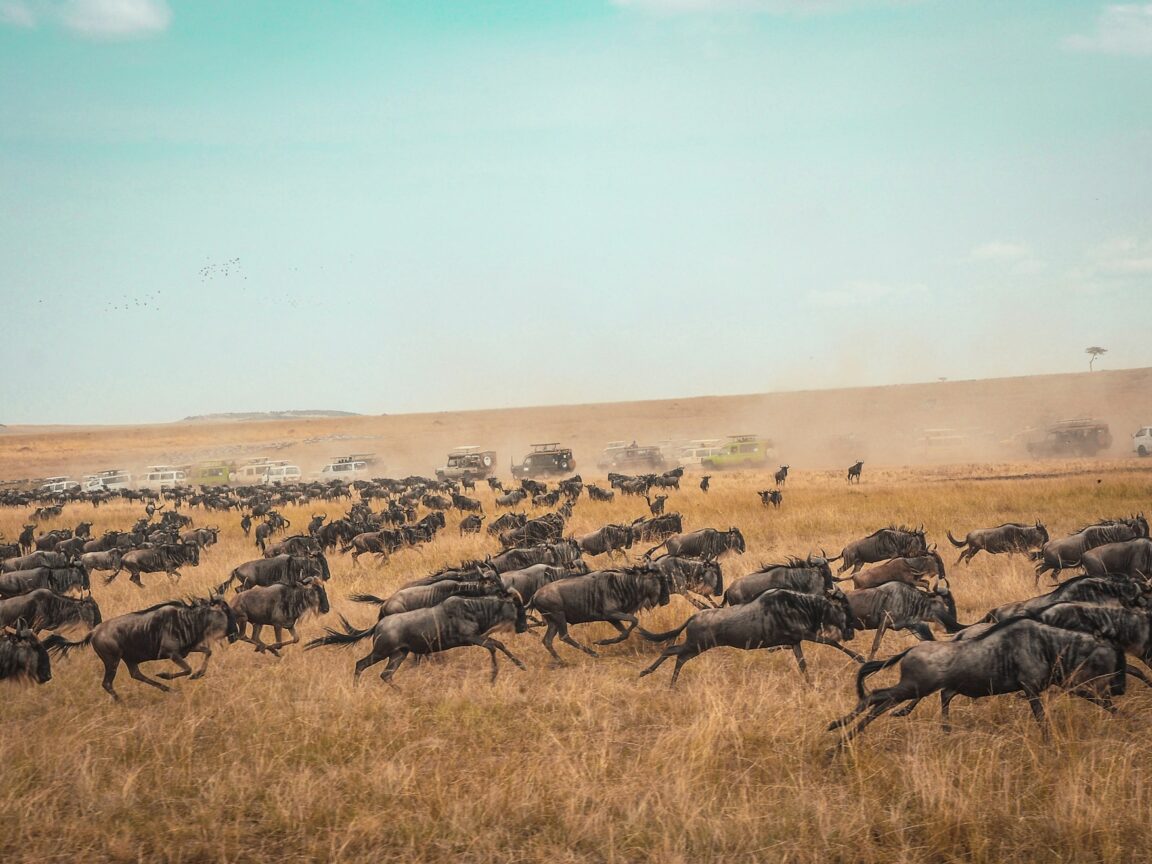
Explore Masai Mara National Reserve, Kenya’s premier national park and one of Africa’s most popular safari wildlife destinations, where wildlife roams in astonishing numbers and the rhythm of nature remains untamed. Set in southwestern Kenya in Narok County, along the Tanzanian border, the Mara forms the northern extension of the Serengeti ecosystem, creating one of the world’s most significant wildlife corridors. This is the land where predator and prey have evolved together, with massive lion prides holding territory for generations. Each year, the Great Migration arrives in a breathtaking display of endurance and survival, creating the most spectacular wildlife spectacle in Africa. A safari Masai Mara feels more than curated, so inevitable, as if the wild has been waiting for you.
About Masai Mara National Reserve
Established in 1961 and named after the Maasai people, Maasai Mara, sometimes spelt as Masai Mara, and locally known as the Mara, covers approximately 1,510 square kilometers of protected savannah and riverine woodland. The reserve’s first name, “Maasai,” is a tribute to the local Maasai tribe who live around the reserve, and the other, “Mara,” refers to the dotted appearance of its landscape, including clusters of acacia, shrubs, and short grass plains scattered like brushstrokes across a wide ochre canvas.
The reserve is framed by the Oloololo Rift Valley Escarpment to the west, with the Mara and Talek Rivers winding through its heart. These watercourses act as the reserve’s lifeline, drawing a plethora of wildlife to their banks during the dry months, and acting as the epicenter for some of Africa’s most gripping predator-prey interactions. This accessibility to water is one of the reasons the Mara supports such a high density of predators, especially lions, leopards, and cheetahs.
Surrounding the reserve are several conservancies such as Mara North, Olare Motorogi, Naboisho, and Ol Kinyei. These conservancies extend wildlife habitat beyond the reserve and offer quieter, more exclusive safari experiences featuring fewer vehicles, guided bush drives, night drives, and guided walks. Safaris in the Mara’s conservancies are mostly central to community conservation, where tourism directly supports Maasai landowners while protecting critical wildlife corridors.
Attractions in Masai Mara National Reserve
The Annual Great Wildebeest Migration
The Annual Great Wildebeest Migration in Masai Mara National Park is one of nature’s most dramatic spectacles, unfolding roughly between July and October when over 1.5 million wildebeest, accompanied by zebra and gazelles, pour into Kenya from Tanzania’s Serengeti. The most dramatic stage occurs when the herds reach the Mara River and have to cross, confronting steep banks, fast currents, and some of Africa’s largest Nile crocodiles. These crossings often happen at specific, traditional points such as Lookout Crossing Point and Paradise Crossing, where visitors can enjoy unparalleled sightings of predator-prey action. The event is unpredictable and guided by rainfall patterns, which is why expert local guides track herd movement daily to position travelers at the right place at the right time.
Wildlife Beyond the Great Migration
Even when the herds are absent, Masai Mara is known for exceptionally abundant wildlife, making sightings both frequent and memorable. The reserve hosts over 95 mammal species and over 500 bird species, with landscapes that allow animals to be easily spotted. Lions are plentiful, especially famous for their large prides, while cheetahs thrive in the reserve’s open plains, and leopards favor the thicker riverine forest. You will also find elephants in large family herds, buffalo grazing in vast numbers, and giraffes, zebras, and wildebeest moving steadily across the grasslands. A variety of antelope species, such as impala, topi, eland, and gazelles, add constant movement to the reserve’s plains, while hippos and plenty of Nile crocodiles dominate the Mara and Talek Rivers. Masai Mara also remains one of the key strongholds for black rhinos in East Africa.
For the bird lovers, the Masai Mara is a significant East African birding hotspot with over 500 recorded bird species, scattered across its diverse landscape. The reserve hosts striking residents like the lilac-breasted roller, secretary bird, grey crowned crane, and southern ground hornbill, while the Mara River attracts African fish eagles, herons, and kingfishers. During the rainy seasons, migratory species from Europe and northern Africa join the skies, adding to the diversity. Raptors are especially impressive here, including martial eagles (Africa’s largest and most powerful eagle), bateleurs, and vultures sweeping the thermals. Whether on a game drive or simply resting at camp, the birdlife in Masai Mara is ever-present.
The Maasai People
The Maasai are traditionally semi-nomadic pastoralists and are the indigenous custodians of the Mara’s landscape, having grazed their cattle here for centuries and harmoniously co-existed with nature and wildlife. Their presence has shaped conservation frameworks around the reserve, where community-owned conservancies like Mara North, Ol Kinyei, and Naboisho are managed alongside the Maasai to protect wildlife while supporting local livelihoods.
They live in manyattas (small homestead villages), herding cattle, which they consider both wealth and heritage. The Maasai are easily recognized by their vibrant shúkà (red cloth), striking beadwork, and their famous traditional songs and dances. Tourists can visit their communities and gain respectful insight into their daily life, values, and ancestral connection to the land, which makes the Mara feel alive.
Things to Do in Masai Mara National Reserve
Witness the Great Wildebeest Migration
From July to October, Masai Mara National Reserve comes alive with one of the planet’s most dramatic wildlife spectacles: the Great Wildebeest Migration. Over 1.5 million wildebeest, accompanied by zebras and gazelles, pour into the reserve from the Serengeti, moving in search of fresh grass and water. The most thrilling moments occur at the Mara River crossings, where animals race against rushing currents and lurking crocodiles while the lions, leopards, and hyenas lie in wait. Movement is never guaranteed, and expert guides often have to monitor herd locations daily based on rainfall, grazing availability, and river access points. But when it happens, it is one of Africa’s most unforgettable wildlife encounters.
Enjoy Safari Game Drives
Exploring the Mara on a game drive is the quintessential way to encounter its remarkable wildlife. Game drives in the Mara are best done early in the morning, and in the late afternoon, when wildlife is most active both in the main reserve and the private conservancies. Some camps also offer full-day game drives with a packed lunch, while night drives to see nocturnal animals are available in the private conservancies.
In the main reserve, sightings of lions, elephants, cheetahs, and abundant plains game are frequent, though during the peak migration season (July–October), the rivers and popular vantage points can get busy with safari vehicles. Nonetheless, the thrill of seeing the great herds in motion makes it worth it. For a more private experience, conservancies like Mara North, Olare Motorogi, and Naboisho offer quieter drives with fewer crowds, where guides can take you closer to predators, follow animal tracks off the main roads, and linger at sightings without disturbance. Here, the Mara feels untamed and intimate, and every drive is guided by rangers who read the land like a living map, making every encounter feel personal.
Explore the Mara on a Hot Air Balloon Safari
Hot air balloon safaris in Masai Mara lift off just before sunrise (at 5 am), usually from the Little Governors’ Camp or Mara Serena Lodge, offering a quiet, panoramic view of the reserve. For about an hour, the balloon drifts over vast plains dotted with herds of wildebeest, zebra, and gazelle, with rivers winding below as hippos and crocodiles move through the water. Meanwhile, predators such as lions and cheetahs can often be spotted beginning their hunt, giving a unique perspective on the Mara’s daily rhythm.
The balloon safari ends with a champagne bush breakfast set right on the open plains, allowing you to catch the sunrise, the sounds of the wild, and the incredible scale of the reserve’s landscape. This is an unforgettable, almost cinematic way to experience one of Africa’s most iconic safari destinations.
Visit the Maasai
Visiting Maasai villages around the Masai Mara offers a rare glimpse into a culture that has coexisted with the wildlife for centuries. These visits are usually arranged in villages bordering the reserve or within community conservancies like Olare Motorogi or Naboisho, where tourism directly supports schools, health clinics, and wildlife protection programs. Visitors can observe cattle herding routines, learn how Maasai track wildlife and water sources, and witness unique Maasai beadwork that reflects age, social status, and life milestones. Traditional songs, dances, and warrior demonstrations provide insight into rituals that mark adulthood, marriage, and community leadership. These visits highlight how the Maasai balance life with wildlife, making the Mara a living landscape shaped by people as well as nature.
Explore the Mara on Horseback
Horseback safaris in the Mara are done in private conservancies, such as Ol Kinyei and Naboisho, offering a quieter, immersive way to experience wildlife. Enjoy gliding quietly through the Mara, moving up close to wildlife as the guides help you spot giraffes browsing acacia trees, herds of zebra, and vigilant impalas. Without engine noise, even predators rarely notice your presence, making it possible to spot lions, cheetahs, and leopards. The safaris are led by experienced guides who use local knowledge to follow hidden trails and animal tracks, giving riders a sense of the Mara that few vehicles can offer.
Enjoy Guided Walking Safaris and Nature Walks
Walking safaris and guided nature walks in Masai Mara are available only in private conservancies, offering a close-up perspective of the Mara’s ecosystem. Led by armed rangers and guides, guests enjoy up-close encounters with animals, learn about unique flora, and interpret animal tracks, bird calls, and insects, gaining insight into the tiny details missed on game drives. The walks are conducted at a measured pace, highlighting predator-prey patterns, seasonal changes, and hidden habitats, making it an educational and immersive way to connect with the reserve’s breathtaking landscape.
Why Visit Masai Mara National Reserve?
• Unmatched Predator Density
Masai Mara is home to some of Africa’s highest concentrations of big cats, including lions, leopards, and cheetahs. Predators here are easy to spot because the plains support large herds of prey, giving you immersive opportunities to witness hunting and pride interactions in action.
• Excellent Year-Round Wildlife Viewing
Even outside the Great Migration, the Mara is consistently alive with wildlife. Large herds of elephants and buffalo, as well as plenty of giraffes, zebras, and countless antelope species, roam freely, while riverine areas attract hippos, crocodiles, and a variety of birds. This makes the reserve reliable for ultimate safari experiences any time of year.
• Accommodation for Every Style
Masai Mara caters to every type of traveler, boasting all types of accommodations; from luxury lodges like Mara Serena and Governor’s Camp, which offer spacious tents, private decks, and fine dining with sweeping views of the plains, to boutique camps in private conservancies such as Naboisho and Olare Motorogi, provide intimate wildlife encounters, personalized game drives, and quieter surroundings.
For those seeking a deeper connection with the land, the reserve also offers community-run eco-camps that offer comfortable tents, locally sourced meals, and opportunities to engage with Maasai communities, supporting conservation and local projects. Accommodation in the Mara makes every safari memorable, meaningful, and uniquely African.
• Conservation That Works
The Mara’s community conservancy model ensures tourism supports both wildlife and people, where every visit contributes to anti-poaching efforts, habitat protection, and Maasai livelihoods, meaning your safari experience has a direct positive impact on the ecosystem and local communities.
Best Time to Visit Masai Mara National Reserve
Masai Mara is a year-round safari destination, but timing your visit can enhance specific safari experiences. The Great Wildebeest Migration is the highlight for most visitors, with the river crossings typically occurring between July and October. Moreover, June to October is generally the dry season in the Mara, making wildlife easier to spot as animals gather around rivers and waterholes.
For those looking to avoid crowds, the short rains (November – December) and long rains (March – May) bring lush landscapes, newborn animals, and migratory birds, though some roads may be muddy and difficult to access. However, private conservancies remain open year-round, offering quieter safari experiences.
All in all, the dry season (June – October) is best for seeing the Great Migration and general wildlife viewing, while the rainy months showcase lush scenery, perfect for photography, plenty of birding activity, and young wildlife. Either way, the Masai Mara promises unforgettable wildlife and landscapes throughout the year.
Getting to Masai Mara National Reserve
Masai Mara is accessible both by road and air from Nairobi, Kenya, which is about 250 – 280 kilometers (a 5-to 6-hour drive). Most safari travelers take private or shared 4×4 transfers, which navigate the reserve’s dirt roads and allow stops along the way for Rift Valley views and photos.
For faster access, you may take a scheduled flight from Jomo Kenyatta International Airport to several airstrips within and near the Mara, including Mara Serena, Keekorok, and Wilson Airstrip, which offer daily charter flights from Nairobi. Flights take about an hour 60 and may land directly in or near popular lodges and conservancies, saving time amidst a spectacular aerial view of the plains below.
Once in the Mara, most tour operators, lodges, and camps provide transfers from the road or airstrips, making arrival seamless and allowing you to start your safari without delay.
Kenya Safari Packages 2026/2027
Planning a Kenya safari in 2026 or 2027 offers travellers the chance to explore some of Africa’s most iconic wildlife destinations, from the world-famous Masai Mara to the scenic Amboseli plains and the beautiful Great Rift Valley lakes. Kenya safari packages range from short 3-day wildlife trips to extended luxury journeys combining multiple national parks and even relaxing beach holidays along the India
Whitan Safaris, your gateway to unforgettable wildlife and nature experiences across Uganda, Kenya, and Rwanda. We are a safari travel company dedicated to designing journeys that connect travellers with Africa’s wild landscapes, iconic wildlife, and vibrant cultures.
Safaris and Tours
Contact Us
Copyright © 2026 Whitan Safaris - Brand by Robylinks Solutions