
Uganda National Tours
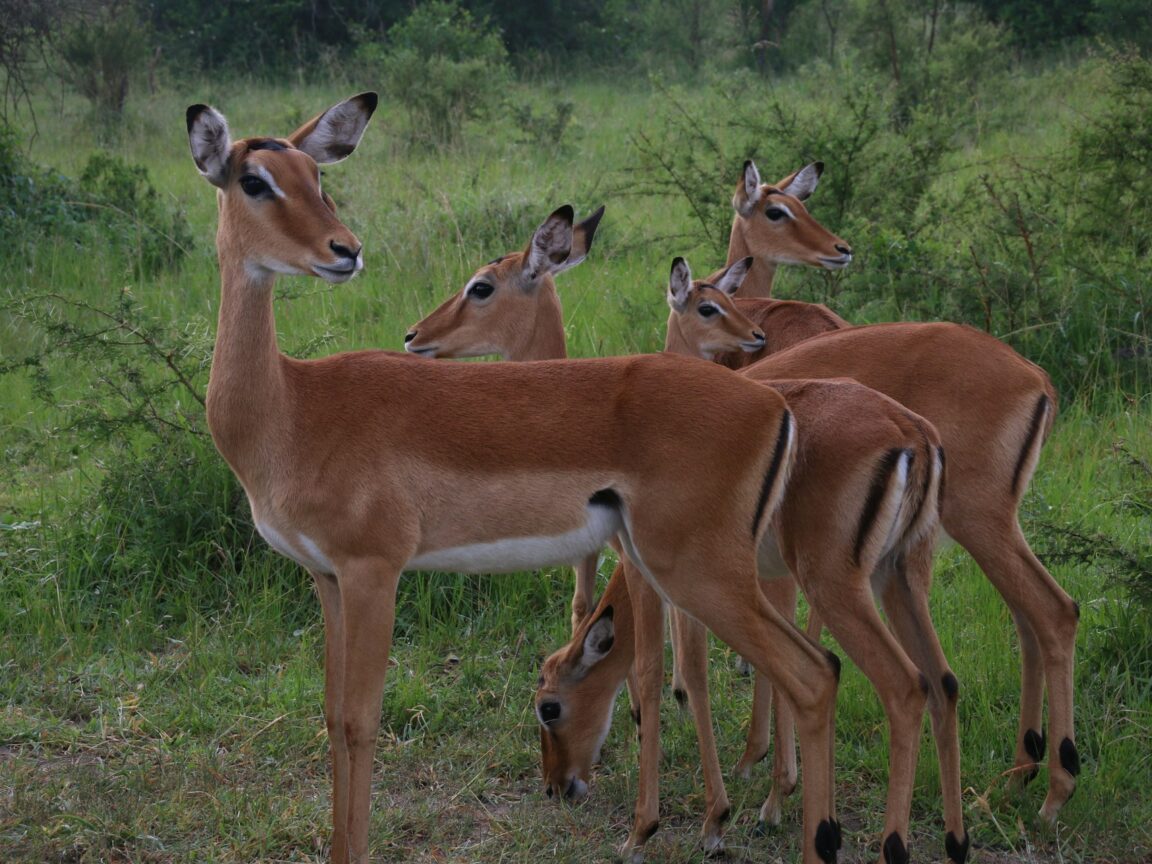
Lake Mburo National Park is where Uganda’s wild heart beats softly; small in size yet immense in character. Stretching across 260 square kilometers of golden savanna and wooded hills, this compact park ranks as Uganda’s smallest savanna national park. Lake Mburo National Park lies in western Uganda in Kiruhura District, about 232 kilometers (a 4 to 5-hour drive) from Kampala/Entebbe along the Kampala – Mbarara Highway.
Established in 1983, Lake Mburo National Park forms part of the Ankole sub-region, a rich landscape once dominated by open grazing lands and dotted with serene lakes. Today, it stands as a sanctuary of balance, where wildlife, wetlands, and community coexist in quiet rhythm. The park’s rolling hills, acacia woodlands, and papyrus-fringed wetlands create a picturesque mosaic that shelters an extraordinary variety of life.
Unlike many other national parks in Uganda, Lake Mburo offers a rare kind of safari experience. The park’s absence of lions and elephants transforms the entire experience into something calm and deeply personal: you can watch zebras and impalas graze just from a distance without fear for your safety, walk safely among giraffes, or ride across the plains on horseback. Lakr Mburo’s raw natural beauty lies in its simplicity: a gentle grassland wilderness where every sunrise paints the water gold, and every path leads to discovery.
Attractions in Lake Mburo National Park
Wildlife in Lake Mburo
Lake Mburo National Park is home to an astonishing diversity of wildlife, with over 68 mammal species recorded. Lake Mburo boasts the largest population of impalas and zebras in Uganda; the park also shelters large herds of topis, elands, oribi, and buffalo grazing peacefully across the plains. Predators such as leopards, though elusive, are often spotted at dawn or dusk, while hyenas, warthogs, and bushbucks thrive in the park’s thickets and open grasslands.
The absence of lions and elephants means that Lake Mburo’s wildlife behaves with a calm curiosity, allowing visitors to enjoy intimate encounters with the animals. The park has also become a conservation stronghold for Rothschild’s giraffes, translocated from Murchison Falls National Park, which now roam gracefully through the acacia woodland. Other wildlife species, such as hippos and crocodiles, occupy the lake waters, completing this delicate chain of savannah and aquatic harmony.
Birdlife in Lake Mburo
For bird lovers, Lake Mburo National Park is an avian paradise and one of Uganda’s top Birding Destinations on the western circuit, with more than 315 bird species recorded. The park’s varied habitats attract both woodland and wetland species, including the rare African finfoot, shoebill stork, brown-chested lapwing, and red-faced barbet, a species not easily found elsewhere in Uganda.
Along the lakeshores, birding enthusiasts can expect to encounter a range of African fish eagles, malachite kingfishers, pied kingfishers, cormorants, herons, and flocks of African open-billed storks. The park’s woodlands, on the other hand, echo with the calls of species like the Crested Francolin, Emerald-spotted wood dove, and Grey-crowned cranes – Uganda’s National Emblem. Whether at dawn or dusk, Lake Mburo’s birdlife turns every walk into a melodious experience.
Lake Mburo and the Swampy Lakes
Lake Mburo is not a solitary body of water but part of a chain of five interconnected lakes within the park and thirteen in the greater ecosystem. These include Lake Kigambira, Lake Kazuma, Lake Bwa, and Lake Mutukula, all linked by papyrus-lined swamps that form critical breeding grounds for fish, birds, and amphibians. However, Lake Mburo is the biggest of these beautiful, swampy lakes, leading to the birth of the park’s name.
The park’s wetlands host a range of wildlife, including the rare sitatungas, monitor lizards, and otters, while papyrus swamps provide refuge for rare wetland birds. Sunset cruises over Lake Mburo are a spectacle – portraying its waters gleaming gold as hippos grunt softly and fishermen cast their nets in silence. These lakes breathe life into the park, sustaining both wildlife and the surrounding communities.
Activities to Do in Lake Mburo National Park
Safari Game Drives
Game drives in Lake Mburo are a feast for the eyes. Visitors can embark on guided morning and evening drives to traverse the park’s rolling savannas dotted with zebras, topis, impalas, and giraffes. Several game tracts like Kazuma and Warukiri offer excellent viewing points, while the Ruroko track explores the park’s rocky outcrops and woodland. Lake Mburo National Park is small and compact, wildlife sightings are frequent, and the drives are serene, without the crowds common in larger parks.
Game drives in Lake Mburo National Park are typically conducted twice a day: the early morning safari, from 6:30 a.m. to 10:00 a.m., when predators like hyenas and leopards, are most active in the cool dawn air, and the evening drive, from 6:00 p.m. to 10:00 p.m., which offers an enchanting opportunity to encounter nocturnal creatures as they stir to life under the fading light.
Boat Cruise on Lake Mburo
African safari boat cruises are often so relaxingly and breathtaking, and a boat cruise on Lake Mburo offers a refreshing perspective of the park’s ecosystem. As the boat glides across the calm waters, you will encounter hippos wallowing, crocodiles basking, and a symphony of birdlife along the papyrus fringes, while species such as African fish eagles and kingfishers dart over the water’s surface. Boat cruises on Lake Mburo usually last about two hours and are best enjoyed in the morning or late afternoon when the sun is down and wildlife is most active.
Horseback Riding Safaris
Few experiences rival a horseback safari in Lake Mburo National Park. Operated by Mihingo Lodge, these rides allow visitors to explore the savanna without the hum of engines, moving quietly among giraffes, zebras, and antelopes. Rides range from one hour to a full day, catering to both beginners and seasoned riders. A horseback riding experience in Lake Mburo National Park is an intimate, eco-friendly way to immerse oneself in the park’s natural rhythm.
Birdwatching
With its varied landscapes, Lake Mburo offers birdwatching opportunities at every turn, boasting over 315 recorded bird species. Birding spots such as Rubanga Forest, on the park’s western edge, are prime sites for forest birds like the green pigeon, harrier hawk, and white-winged tit. Furthermore, the lakeshores and open acacia woodlands teem with species unique to this region, such as the elusive African Finfoot, Papyrus Yellow Warbler, Papyrus Gonolek, and the majestic Shoebill, while species such as the Bare-faced Go-away-bird, Nubian Woodpecker, Emerald-spotted Wood Dove, Brown Parrot, and Green Wood-hoopoe make the park ideal for both amateur birders and serious ornithologists.
Cultural Tours
Beyond the park’s wildlife diversity, cultural tours around Lake Mburo introduce visitors to one of Uganda’s most famous pastoral groups – the Bahima communities, who have lived in harmony with the park’s wildlife for generations. The Ankole Cultural Center, near the park, offers guests the opportunity to explore these communities and visit the people’s traditional homesteads, learn about traditional cattle keeping, and even participate in local dance performances. Tourists can also explore the crafts center and purchase a few souvenirs to take back home, marking a memorable Uganda safari. These experiences deepen one’s appreciation of how conservation and culture intertwine in Uganda’s heartland.
Safari Walks
Because Lake Mburo National Park does not shelter lions, guided walking safaris here are especially rewarding. Accompanied by Uganda Wildlife Authority rangers, visitors can explore the park’s savannah on foot and have close encounters with herds of zebras and antelopes on foot, track giraffes, or study footprints and dung for signs of animal presence. The park boasts professional rangers and guides who are knowledgeable about the park’s ecosystem. Mornings are particularly the ideal times for the safari walks in Lake Mburo, when mist veils the valley and birdcalls awaken the savanna.
Quad Biking
For the thrill-seekers, quad biking safaris in Lake Mburo National Park offer an exhilarating way to explore off-the-beaten paths. While on guided rides, tourists can meander through acacia forests, across plains, and along lakeshores, offering unique photographic opportunities. Riders often encounter the park’s game up close, combining adventure with discovery.
Sport Fishing
Sport fishing on Lake Mburo is another captivating activity for travellers who prefer a laid-back, traditional experience in Lake Mburo National Park, especially near the Mazinga area. Anglers can catch tilapia and catfish, and the Uganda Wildlife Authority provides fishing permits for visitors. It’s a peaceful yet rewarding pursuit, surrounded by the sounds of water and wilderness.
Best Time to Visit Lake Mburo National Park
Uganda’s Lake Mburo National Park is open year-round, but the best time to visit is during the dry seasons (June – September and December – February), when skies are clear, and animals gather around water sources, making game drives more rewarding.
However, the wet seasons (March – May and October – November), however, paint the park in lush greenery, making photography amazing. This season also attracts migratory birds, offering excellent birdwatching opportunities. Lake Mburo’s location in a rain-shadow region between Lake Victoria and the Rwenzori Mountains means the park experiences a milder climate than most savannah parks, featuring pleasantly warm days and cool nights, making it a comfortable destination throughout the year.
Lake Mburo National Park may be Uganda’s smallest savannah park, but its spirit is vast—where calm lakes mirror endless skies, and each sunrise awakens a song of life. It is the place where Uganda’s wild heart beats softly but steadily, inviting travelers to listen, linger, and lose themselves in the whispers of the wild.
How to Get to Lake Mburo National Park
Lake Mburo National Park lies 232 kilometers from Kampala, along the Kampala–Masaka–Mbarara Highway. The journey takes about 4 to 5 hours by road, through the park’s accessible main entrance gates: Sanga Gate (near Lyantonde) and Nshara Gate (near Rwonyo). Visitors can travel in private vehicles, tour company 4x4s, or buses up to Mbarara or Lyantonde, connecting by taxi or arranged transfer.
On the other hand, Lake Mburo can also be accessed via domestic flights to Mbarara Airstrip can also be arranged through Aerolink Uganda or Bar Aviation.
Uganda Safari Packages 2026/2027
Uganda safaris are among the most rewarding travel experiences in Africa, offering a perfect blend of adventure, wildlife, culture, and breathtaking scenery. Known as the “Pearl of Africa,” Uganda provides diverse safari opportunities that cater to every type of traveller — from adventurous explorers to relaxed holidaymakers, young and old, solo visitors, couples, and group tourists. Whether you are interested in unforgettable gorilla trekking, classic wildlife game drives, scenic boat cruises, birdwatching, or immersive cultural encounters, Uganda has something special for everyone. Explore some of our top Uganda safari packages below and discover journeys carefully designed to showcase the country’s most remarkable destinations and experiences
Whitan Safaris, your gateway to unforgettable wildlife and nature experiences across Uganda, Kenya, and Rwanda. We are a safari travel company dedicated to designing journeys that connect travellers with Africa’s wild landscapes, iconic wildlife, and vibrant cultures.
Safaris and Tours
Contact Us
Copyright © 2026 Whitan Safaris - Brand by Robylinks Solutions