
Uganda National Tours
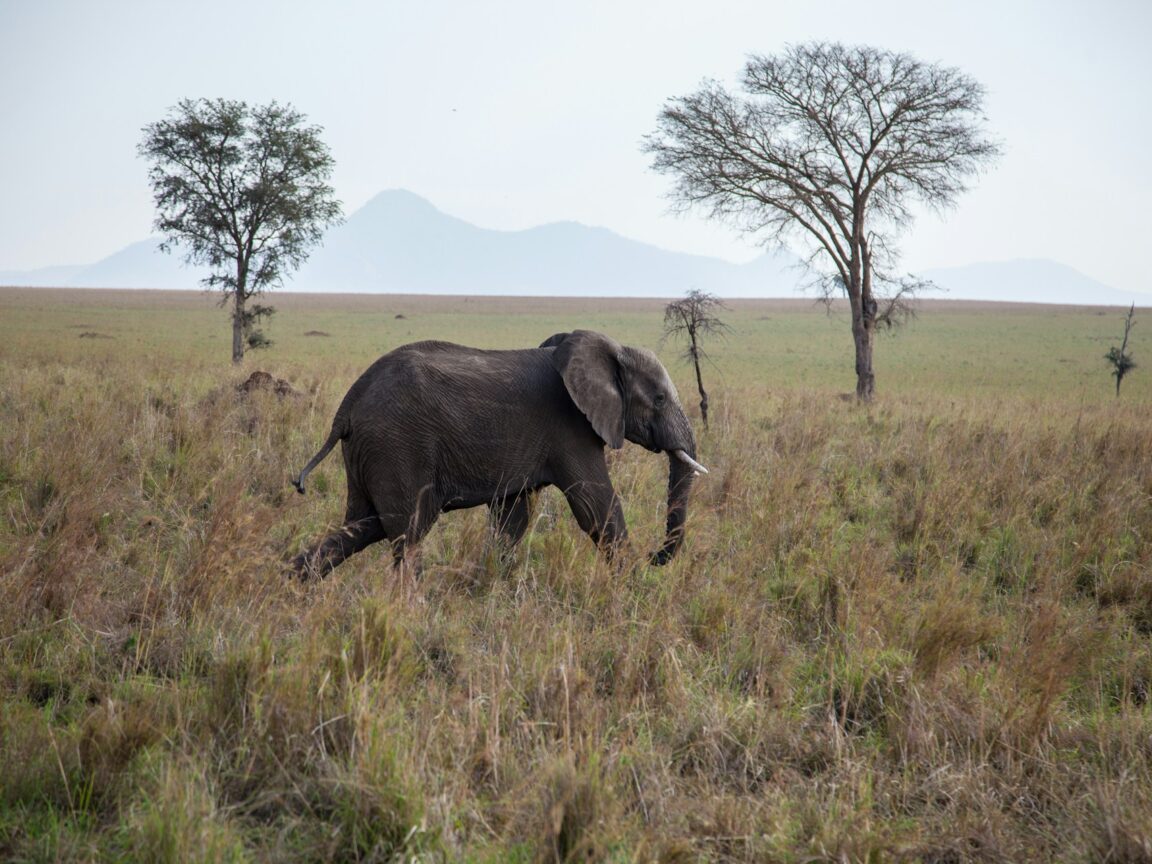
Hidden in Uganda’s far northeastern corner in the Karamoja region, Kidepo Valley National Park stands as a frontier of wild beauty and isolation. Spanning approximately 1,442 square kilometers, this park is Uganda’s remotest park, perched between the country’s borders with Kenya and South Sudan. Kidepo was first gazetted as a game reserve in 1958 and later declared a national park in 1962, now managed by the Uganda Wildlife Authority (UWA). Its remoteness, fierce natural charm, and rich diversity of life have earned it a reputation as Uganda’s most untamed and least-explored safari destination – a true Eden for lovers of raw wilderness.
Kidepo is a land defined by open savannahs, rugged hills, and wide skies that stretch endlessly across the horizon. The park experiences a semi-arid climate, with long sunny days and clear visibility, making it ideal for year-round Uganda safaris. Kidepo’s landscape is shaped by two main valleys: the Narus Valley in the southwest and the Kidepo Valley to the north. The Narus Valley is the park’s center of life, sustained by the Narus River that provides water even in the dry season, drawing herds of elephants, buffalo, and antelope to its plains. The northern Kidepo Valley, by contrast, is drier and more open, known for its Borassus palm trees and wide, sandy riverbeds.
The park’s terrain ranges from roughly 900 to 2,750 meters above sea level, notably at Mount Morungole, whose slopes and summit are steeped in both natural and cultural heritage. Because of its remoteness, Kidepo has retained a strong sense of wilderness; the roads are fewer, services are less densely packed than in other parks, which adds to both the challenge and the magic.
Attractions of Kidepo Valley National Park
1. Wildlife in Kidepo Valley National Park
Kidepo boasts a wildlife population unlike any other in Uganda. Over 77 mammal species roam these plains, and nearly 28 of them are found nowhere else in Uganda. The game here feels raw and real, from large herds of elephants and buffalo trudging through the Narus Valley to Rothschild’s giraffes browsing elegantly on acacia tops, and lions perched on rocky outcrops surveying their golden kingdom. Kidepo is one of the few places in Uganda where you can spot cheetahs gliding across the savannah, as well as rare species such as the Caracal, Aardwolf, and Bat-eared fox. The park is also home to large herds of zebra, hartebeest, eland, greater and lesser kudu, as well as warthogs, oribis, and elusive predators such as leopards and jackals.
2. Birdlife in Kidepo Valley National Park
For birdwatchers, Kidepo Valley National Park is a paradise where arid-adapted species mingle with savannah and montane varieties. Over 476 bird species have been recorded, including many that occur nowhere else in Uganda. Kidepo is the only place in the country where the Ostrich struts freely across the plains. Birders can also spot the Kori Bustard, Secretary Bird, Verreaux’s Eagle, Abyssinian Roller, Egyptian Vulture, and the tiny yet striking Pygmy Falcon. The Park’s riverine belts and seasonal wetlands host flocks of hornbills, bee-eaters, and kingfishers, while the rocky slopes of Morungole echo with the calls of raptors gliding on thermals. During the wetter months, migratory species from Europe and northern Africa, including Abdim’s Stork, European Roller, Lesser Kestrel, and Montagu’s Harrier, join the resident populations, making Kidepo a year-round haven for birding enthusiasts.
3. Mount Morungole and the IK People
Towering above the plains at 2,750 meters above sea level, Mount Morungole marks the highest point in Kidepo Valley National Park and offers panoramic views of the surrounding plains. The mountain is home to the Ik people, one of Uganda’s most isolated and smallest ethnic groups. Living on its slopes and summit, the IK have preserved a way of life that feels almost untouched by time.
Visitors can embark on a scenic yet demanding day hike led by local guides and Uganda Wildlife Authority rangers, amidst stunning panoramic views of Kidepo’s plains below. At the summit, travelers can meet the IK people, whose culture revolves around farming, honey gathering, storytelling, and dance. Their resilience and deep connection to the land lend Kidepo a cultural richness that complements its natural grandeur.
4. The Karamojong Communities
Kidepo Valley National Park lies in the Karamoja region, home to the Karamojong – a proud pastoralist community whose culture revolves around cattle, tradition, and communal life. Visiting their manyattas, or homesteads, offers genuine insight into their daily routines, from cattle herding and traditional crafts to the striking beadwork that reflects age, status, and identity. Guests are often welcomed with vibrant dances, rhythmic songs, and warm hospitality that speak to the deep pride of the Karamojong people.
Activities to Do in Kidepo Valley National Park
Game Drives
Game drives in Kidepo Valley National Park are the highlight of any safari here, offering a truly wild and unspoiled experience. Most drives take place in the Narus Valley, where water sources attract large concentrations of animals, especially during the dry season. Early morning and late afternoon are the best times to explore, when predators are most active and the light softens over the plains. Guided by experienced UWA rangers, visitors can encounter elephants moving in herds, giraffes feeding gracefully among acacias, lions lounging on rocky outcrops, and buffalo grazing across the open savannah. Given the park’s remote location, game drives here feel intimate and authentic with no crowds and no convoys, making it a true wilderness experience.
Birdwatching
Birdwatching tours in Kidepo start early in the morning, usually at 6 AM, to maximize sightings when birds are most active. Tours are conducted in the Narus Valley, along riverine strips, dry riverbeds, and on rocky ridges. The tours last 2 to 4 hours and are led by trained guides equipped with binoculars to help identify and locate species. Visitors can spot Ostriches roaming the plains, Kori Bustards performing mating displays, Abyssinian Rollers flashing bright blue in flight, and Rosy-patched Bushshrikes perched in thorny shrubs. Moreover, seasonal wetlands that form after rains attract waterbirds such as herons and egrets, while Mount Morungole hosts highland species.
Hiking and Nature Walks
Exploring Kidepo on foot is an intimate way to absorb its essence. The hikes and nature walks usually begin at 7 AM and are led by armed rangers for safety. Walks follow trails in the Narus Valley, along dry riverbeds, and up the lower slopes of Mount Morungole. Tourists can observe wildlife footprints, smaller mammals, birds, and unique plant species along the way, while gaining deeper ecological insight into the park.
Moreover, the Mount Morungole hike, which can take 4 to 6 hours round-trip, offers panoramic views of the park and a chance to meet the Ik people who reside on the mountain, providing both scenic and cultural highlights.
Cultural Visits
Just like its raw, untouched landscape, so is Kidepo’s cultural scenery. Cultural visits to the IK and Karamojong communities offer meaningful encounters that blend storytelling, music, and the art of survival. Travelers learn how the Karamojong build their manyattas, rear their cattle, forge spears, or conduct traditional ceremonies.
On the other hand, visiting the IK villages on Mount Morungole provides deeper insight into Uganda’s smallest ethnic group and how they have lived harmoniously with nature in isolation.
Best Time to Visit Kidepo Valley National Park
While Kidepo Valley National Park is a year-round Uganda safari destination, the best time to visit the park is during the dry seasons, which typically run from December to March and again from June to September. These months offer ideal wildlife viewing conditions, as animals congregate around the remaining waterholes in the Narus Valley, making it easier to spot them. Moreover, roads are also more accessible, making travel within the park smoother.
However, for the birdwatchers and wildlife photographers, the wet season, from April to May and October to November, transforms Kidepo into a lush green expanse, attracting migratory birds and offering stunning photographic backdrops, which can be rewarding. However, paths in the park may become difficult to navigate.
How to Get to Kidepo Valley National Park
By Road: Kidepo Valley National Park lies about 560 to 600 kilometers from Kampala/Entebbe by road, which is a 10-to 12-hour drive through Gulu and Kitgum to Kaabong before arriving at the park’s main gate. Though long, the journey is filled with scenic views of Uganda’s countryside and cultural stopovers in northern towns. Furthermore, there’s a more direct yet rugged route that runs through Mbale, Moroto, and Kotido, showcasing the beauty of Karamoja’s wild landscape. Because of varying road conditions, a 4×4 vehicle is essential.
By Air: For those who prefer speed and comfort, scheduled and chartered flights are available from Entebbe International Airport or Kajjansi Airfield to the Apoka Airstrip, which lies near the park headquarters. The flight takes about two hours, and from there, most lodges provide transfers. Besides saving time, the aerial route also offers breathtaking views of Uganda’s spectacular, varied terrain.
Uganda Safari Packages 2026/2027
Uganda safaris are among the most rewarding travel experiences in Africa, offering a perfect blend of adventure, wildlife, culture, and breathtaking scenery. Known as the “Pearl of Africa,” Uganda provides diverse safari opportunities that cater to every type of traveller — from adventurous explorers to relaxed holidaymakers, young and old, solo visitors, couples, and group tourists. Whether you are interested in unforgettable gorilla trekking, classic wildlife game drives, scenic boat cruises, birdwatching, or immersive cultural encounters, Uganda has something special for everyone. Explore some of our top Uganda safari packages below and discover journeys carefully designed to showcase the country’s most remarkable destinations and experiences
Whitan Safaris, your gateway to unforgettable wildlife and nature experiences across Uganda, Kenya, and Rwanda. We are a safari travel company dedicated to designing journeys that connect travellers with Africa’s wild landscapes, iconic wildlife, and vibrant cultures.
Safaris and Tours
Contact Us
Copyright © 2026 Whitan Safaris - Brand by Robylinks Solutions